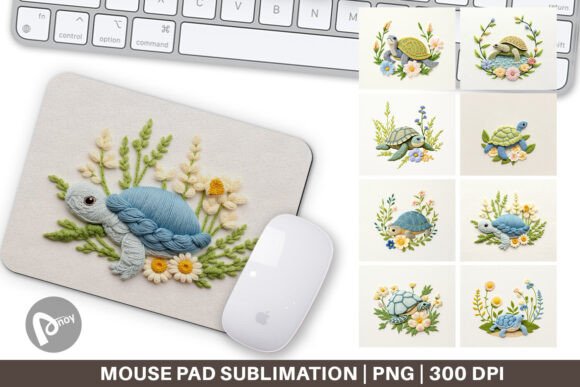
Mouse Pad Turtle Embroidery
As an embroidery designer with years of experience, I always start by evaluating a design’s potential before using it in real projects. Mouse Pad Turtle Embroidery caught my attention for its playful yet professional aesthetic. The design is simple enough to work on a variety of surfaces but detailed enough to stand out as a unique addition to any handmade or commercial product.
First Impressions and Visual Appeal
The first thing that stands out about Mouse Pad Turtle Embroidery is its charming, whimsical vibe. The turtle is stylized with clean lines and a friendly expression, making it ideal for casual, creative projects. The layout is balanced, with the turtle centered and surrounded by subtle patterns that don’t overwhelm the main subject. This makes it versatile for different applications, from baby items to gaming accessories.
The design’s simplicity also means it can be adapted to various fabric types and color schemes. It doesn’t require intricate detailing, which is great for beginners or those looking for a quick project. However, its visual personality is strong enough to make a statement in more complex designs, like embroidered patches or custom apparel.
Real-World Embroidery Use Cases
Mouse Pad Turtle Embroidery works well in several common embroidery scenarios. For instance, it would make a delightful tote bag design. A large, bold turtle on a canvas tote adds a personal touch while remaining subtle enough for everyday use. It could also be used on sweatshirts, t-shirts, or caps, especially for casual wear or themed events.
For baby items, this design could be a nice addition to onesies or blankets. The soft, rounded shapes are safe for little ones and add a playful element to nursery decor. It also has potential as a holiday or wedding gift, especially if paired with a custom message or name.
In a craft business setting, Mouse Pad Turtle Embroidery could be part of a collection of printable mockups or digital product previews. As a graphics file, it offers flexibility for small shop products, Etsy listings, or boutique branding. Its clean style ensures it looks good in both black and white and color mockups.
Where to Be Cautious
While Mouse Pad Turtle Embroidery is generally easy to work with, there are some situations where it might not perform as well. On small hoop sizes, the design may feel too large or require multiple hooping, which can be time-consuming. Textured or stretchy fabrics could also affect the final look, as the stitches may not sit flat or could distort over time.
On dark fabrics, the thread color contrast becomes crucial. If the design is meant for light-colored materials, it might not show up well on darker backgrounds without adjustments. Thin or delicate fabrics may also cause the stitches to pucker or the design to lose definition.
For curved surfaces like caps or hoods, the design’s straight lines and corners might not follow the shape perfectly. This could lead to a slightly distorted appearance unless the machine is adjusted properly. Additionally, areas with dense stitch coverage might need extra stabilizer to prevent puckering or distortion.
Impact on Product Value and Customer Perception
When used correctly, Mouse Pad Turtle Embroidery can elevate the value of a handmade product. Its friendly design appeals to a wide audience, making it a great choice for personalized gifts or custom apparel. Customers often appreciate the effort and creativity behind a unique design, which can increase trust and engagement with a brand.
For small shop owners or Etsy sellers, this design offers a reliable option for adding visual interest to products without requiring extensive customization. It’s also useful for creating printable mockups that help buyers visualize how the design will look on their chosen item. The clarity of the stitches and the overall finish contribute to a professional presentation, which is essential for customer satisfaction.
Practical Designer Notes
Before committing to a project, I always recommend testing Mouse Pad Turtle Embroidery on scrap fabric. This helps determine how the stitches interact with the material and whether any adjustments are needed. Checking thread color contrast is especially important if the design will be used on dark or patterned fabrics.
Reviewing the stitch density is another key step. If the design is too dense, it might cause the fabric to stiffen or the stitches to break. Confirming the correct hoop size ensures the design fits comfortably without stretching or distorting the artwork. Inspecting small details, like the turtle’s eyes or outline, helps ensure they remain visible after stitching.
Testing the design in black and white mockups can reveal how it appears without color, which is useful for understanding its versatility. Comparing it against both light and dark fabric backgrounds helps identify any visibility issues. Using the right stabilizer is also essential, especially for delicate or stretchy materials.
Finally, verifying that the design is suitable for both personal and commercial use is critical. If you plan to sell finished items or digital products, make sure the licensing terms allow for that. This prevents any legal issues down the line and ensures your craft business runs smoothly.